
CBD for dogs has become a popular option for pet owners seeking natural support for anxiety, pain, and overall wellness. But the market is crowded, product quality varies wildly, and dosing a furry friend isn’t the same as dosing yourself. This guide walks you through everything a responsible pet owner needs to know to pick a safe, effective CBD oil for their dog — with practical steps, clear red flags, and a simple buying checklist. (You’ll also find the phrase you asked for: CBD for pets USA appears where it matters.)
What is CBD and how does it work in dogs?
Cannabidiol (CBD) is a non-intoxicating compound derived from hemp. Dogs — like humans — have an endocannabinoid system (ECS), a network of receptors and signaling molecules that help regulate pain, inflammation, mood, appetite, and sleep. CBD interacts indirectly with the ECS and other body systems, which is why owners report effects on anxiety, pain, and appetite. Scientific evidence in dogs is growing but not yet definitive; clinical studies show promise in areas like osteoarthritis and seizure reduction, yet results can vary between animals.
Benefits pet owners commonly seek
Many dog owners try CBD oil for anxiety (thunderstorms, separation), chronic pain or arthritis, mobility in senior dogs, appetite stimulation, and occasional digestive upset. Early research and many owner reports suggest CBD may reduce pain-related behaviors and anxiety symptoms, and some studies indicate seizure frequency may drop in certain cases when used under supervision. However, CBD is not a miracle cure — improvements are often modest, gradual, and individual. Always frame expectations around symptom management and quality-of-life improvements rather than guaranteed cures.
Know the product types: full-spectrum, broad-spectrum, and isolate
CBD oils for dogs come in three common formats. Full-spectrum products contain CBD plus other cannabinoids, terpenes, and trace THC (usually <0.3% in hemp-derived products) that may produce an “entourage effect.” Broad-spectrum removes THC but keeps other cannabinoids and terpenes. CBD isolate is just pure CBD, no other cannabinoids. For most pet owners, full-spectrum or broad-spectrum is preferred because minor cannabinoids and terpenes can enhance effects, but if you’re worried about THC exposure (for example, working dogs or very small dogs), broad-spectrum or isolate may be safer.
Where the hemp comes from and why it matters
High-quality CBD starts with responsibly grown hemp. Look for U.S.-grown hemp (especially relevant for CBD for pets USA buyers), because U.S. agricultural and testing standards are generally stronger and easier to verify. Organic or pesticide-free farming reduces the risk that harmful residues end up in the oil. Avoid products that don’t specify the hemp source or that source from unknown international suppliers — heavy metals, pesticides, or solvent residues are real risks when hemp is poorly regulated.
Extraction method: CO₂ vs. solvents
CO₂ extraction is the gold standard: it yields a clean, full cannabinoid profile without harmful solvent residues. Ethanol extraction can be acceptable when performed properly and followed by proper refining. Avoid products that use cheap hydrocarbon solvents (like butane) unless the manufacturer provides lab results confirming no residues. The extraction method won’t always be on the front label, so check the product page or certificate of analysis.
How to read the label and lab reports
Labels can be misleading — here’s what to check and where to find proof.
Start with the label, then verify with a certificate of analysis (COA) from a third-party lab. The COA should be recent and match the batch number. Key label and COA items:
- CBD concentration: Look for total mg of CBD per bottle and per serving (mg/ml or mg/drop). This tells you potency and helps with dosing.
- THC content: Must be below legal limits (0.3% in the U.S.) for hemp-derived products. For dogs, lower or no THC is often advisable.
- Cannabinoid profile: COA should show levels of CBD, CBDA, CBG, THC, etc. This confirms whether the product is full-spectrum, broad-spectrum, or isolate.
- Contaminant screening: Tests for pesticides, heavy metals, mycotoxins, and residual solvents should be present and pass.
- Batch-specific COA: Avoid brands that only post a generic COA for the company; you want a batch-matched report.
If a product lacks an accessible COA, cross that brand off your list.
Choosing potency: mg, concentration, and math
Potency is usually shown as mg of CBD per entire bottle and mg per serving (or mg per ml). For example, a 30 ml bottle with 600 mg CBD contains 20 mg CBD/ml. If the dropper holds 1 ml, each full dropper gives 20 mg. Low-potency oils (e.g., 150–300 mg per 30 ml) are good for very small dogs or for owners who want to start very low; higher potency (600–1500 mg per 30 ml) works better for larger dogs or conditions requiring higher doses. Always do the math before buying — potency determines how long the bottle will last and how practical dosing will be.
Dosing basics: start low and go slow
There’s no universal dose for every dog. A commonly used starting point is 0.05–0.1 mg CBD per pound of body weight (0.1–0.2 mg/kg) once or twice daily, then gradually increase while monitoring. For example, a 30-lb dog might start at 1.5–3 mg per dose. Some conditions require higher doses (e.g., certain studies on osteoarthritis or seizures used larger doses under vet supervision). Increase slowly in 7–14 day intervals until you see improvement or reach a vet-recommended maximum. Keep a short log of dose, time given, and observed effects to help fine-tune dosing.
Safety, side effects, and drug interactions
CBD is generally well tolerated in dogs, but side effects can include drowsiness, dry mouth, mild gastrointestinal upset, and temporary changes in appetite. Rarely, liver enzyme elevations have been reported — if your dog is on medications metabolized by the liver (like some anticonvulsants or NSAIDs), consult your vet first because CBD can affect liver enzymes and drug metabolism. Pregnant or nursing dogs and dogs with serious liver disease should not receive CBD without veterinary guidance. If you notice lethargy, vomiting, severe diarrhea, or uncoordinated movements after starting CBD, stop use and contact a vet.
Red flags — what to avoid when buying
Avoid these warning signs: no third-party COA, vague potency claims (e.g., “hemp extract” without mg listed), unrealistic medical claims (“cures cancer,” “prevents seizures”), THC content above legal limits, and failure to disclose extraction or hemp origin. Extremely cheap products can be cheap for a reason — adulteration, low CBD content, or contamination are risks. Also be cautious about pet products that use human phrasing (“doctors recommend”) without credible veterinary endorsement or evidence.
Choosing a reputable brand
Look for brands that are transparent about: hemp source, extraction methods, batch-specific COAs, manufacturing practices (cGMP or third-party facility audits), and clear dosing instructions. Good brands publish third-party lab reports on product pages and are responsive to customer questions. Vet-reviewed lines or brands that collaborate with veterinary pharmacologists are preferable. Real customer reviews that mention batch numbers and observable effects are more helpful than generic five-star ratings.
Delivery formats and administration tips
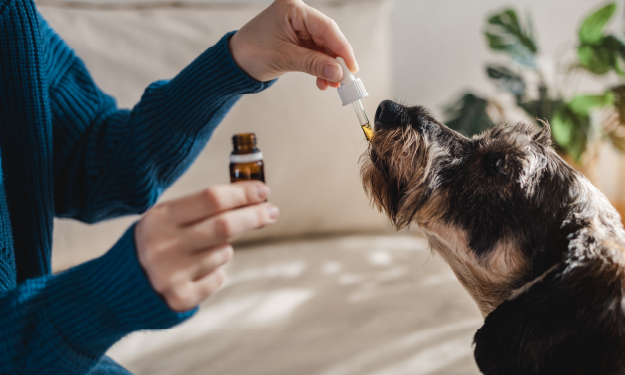
Sublingual oils allow faster absorption and easier dose adjustments — ideal when you want precise control. Treats and soft chews are convenient but inconsistent: they often contain lower CBD per treat and can have variable bioavailability because of digestion. Capsules provide consistent dosing but are harder to administer unless your dog will swallow pills. Topicals can be useful for localized joint pain but won’t provide the systemic effects oral CBD does. For most owners wanting symptom management, an oil tincture is the most flexible option. Use a flavored oil only if your dog tolerates the carrier ingredients — avoid xylitol and other artificial sweeteners that are toxic to pets
How to introduce CBD to your dog
Start with a clean baseline: note your dog’s symptoms, behavior, and any medications. Give the initial low dose at a calm time of day and observe for 24–48 hours. Increase dose gradually in small steps (for example, by 25–50%) every 7–14 days if there’s no benefit and no adverse effects. Keep a short diary of doses and changes in symptoms (sleep, activity, pain indicators, appetite). If using oil, place it on the gums or inside the cheek for better absorption, or mix with a small amount of food if your dog refuses the taste.
Also Read: How CBD Oil Can Improve Your Dog’s Quality of Life
Final thoughts
Choosing the right CBD oil for your dog means balancing safety, transparency, and realistic expectations. Favor brands that publish batch-specific lab reports, disclose hemp origin and extraction methods, and provide clear dosing guidance. Start low, go slow, and keep your veterinarian in the loop — especially for dogs on medications or with health concerns. If you’re based in the U.S. and searching specifically for CBD for pets USA, prioritize products that list U.S. hemp sources and comply with federal and state regulations.