
CBD oil has gained popularity as a natural remedy for various health issues in dogs, including anxiety, pain, and inflammation. However, determining the correct dosage can be challenging for pet owners, as factors such as weight, condition severity, and individual tolerance play significant roles. Giving the right dosage ensures your dog experiences the benefits of CBD without adverse effects.
Why Dosage Matters
CBD interacts with your dog’s endocannabinoid system to promote balance and overall well-being. However, too little CBD may not provide the desired effects, while too much could cause mild side effects like drowsiness or digestive upset. Starting with the correct dosage tailored to your dog’s needs is essential to ensure safety and effectiveness.
Factors to Consider When Determining Dosage
1. Dog’s Weight
Weight is a primary factor in calculating the dosage. Larger dogs require more CBD to achieve the desired effect, while smaller dogs need less.
2. Condition Being Treated
The severity of your dog’s condition impacts the dosage. For example, a dog with mild anxiety may need a lower dose than a dog with chronic pain or severe arthritis.
3. CBD Oil Strength
CBD oil comes in various concentrations, typically measured in milligrams (mg) per milliliter (ml). Understanding the strength of the product you’re using is crucial for accurate dosing.
4. Dog’s Tolerance
Each dog’s body reacts differently to CBD. Some may respond well to a small amount, while others may need a higher dose to feel the effects.
5. Type of CBD Product
Different CBD products, such as tinctures, treats, or capsules, may require unique dosing methods. Always refer to the manufacturer’s recommendations for each product.
General Dosage Guidelines
A common starting point for CBD oil is 1-2 mg per 10 pounds of body weight. This amount can be adjusted based on your dog’s response and needs. For example:
- A 20-pound dog might start with 2-4 mg of CBD.
- A 50-pound dog might start with 5-10 mg of CBD.
For more severe conditions, dosages may increase to 2-4 mg per 10 pounds of body weight. Always consult your veterinarian before making significant adjustments.
How to Administer CBD Oil to Your Dog
- Sublingual Method
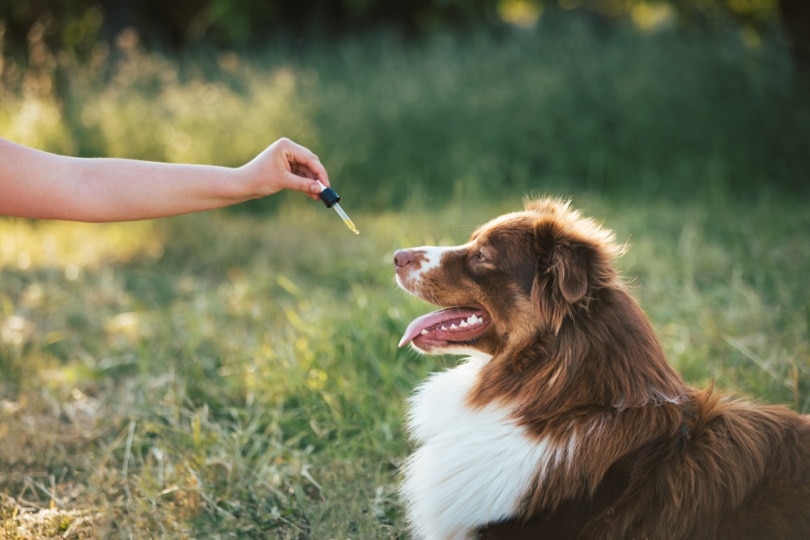
The most effective way to administer CBD oil is directly under your dog’s tongue using a dropper. This allows for faster absorption into the bloodstream. - Mix with Food
If your dog resists direct administration, mix the CBD oil with their food or a favorite treat. This method may take longer to show effects as the CBD must pass through the digestive system. - Use CBD Treats or Capsules
Pre-measured CBD treats or capsules provide convenience and consistency. These are ideal for pet owners who prefer not to measure dosages manually.
Monitoring Your Dog’s Response
After administering CBD oil, observe your dog’s behavior and symptoms. It may take a few days to notice improvements, especially for chronic conditions. Keep an eye out for the following:
- Reduced anxiety or stress
- Improved mobility or reduced pain
- Better appetite or digestion
If there are no noticeable effects after a week, consider gradually increasing the dosage while monitoring your dog’s response.
Signs of Too Much CBD
While CBD is generally safe for dogs, excessive amounts may cause mild side effects, including:
- Drowsiness
- Upset stomach or diarrhea
- Dry mouth
- Temporary loss of coordination
If your dog experiences any of these symptoms, reduce the dosage and consult your veterinarian.
Choosing the Right CBD Oil
1. Look for High-Quality Products
Ensure the CBD oil you choose is organic, third-party tested, and free of harmful additives. High-quality products provide better efficacy and safety for your dog.
2. Check the THC Content
CBD oil for pets should contain less than 0.3% THC to avoid psychoactive effects. Products labeled as “broad-spectrum” or “CBD isolate” are ideal for pets.
3. Understand the Label
Read the product label carefully to understand the concentration of CBD per milliliter. This information helps you calculate accurate dosages.
Consulting Your Veterinarian
Before starting your dog on CBD oil, consult your veterinarian, especially if your dog has pre-existing health conditions or is on medication. Your vet can guide you on appropriate dosages and monitor your dog’s progress.
Benefits of Proper CBD Dosage
When administered correctly, CBD can provide numerous benefits for dogs, including:
- Reduced anxiety and stress
- Relief from chronic pain and inflammation
- Improved joint health and mobility
- Enhanced appetite and digestion
- Support for epilepsy and seizure management
Proper dosing ensures your dog experiences these benefits without unnecessary risks.
Adapting Dosage Over Time
As your dog’s condition changes, their CBD needs may also evolve. Periodically reassess the dosage and adjust as needed. For chronic conditions, long-term use of CBD may require slight increases in dosage over time to maintain effectiveness.
Read Also : How Long Does It Take for CBD Oil to Work in Dogs?
Conclusion
Finding the right CBD oil dosage for your dog requires careful consideration of factors like weight, condition severity, and product strength. Start with a low dose, monitor your dog’s response, and adjust gradually as needed. By choosing high-quality CBD oil and consulting your veterinarian, you can ensure your dog receives safe and effective relief tailored to their unique needs. With proper use, CBD oil can be a valuable addition to your dog’s wellness routine.